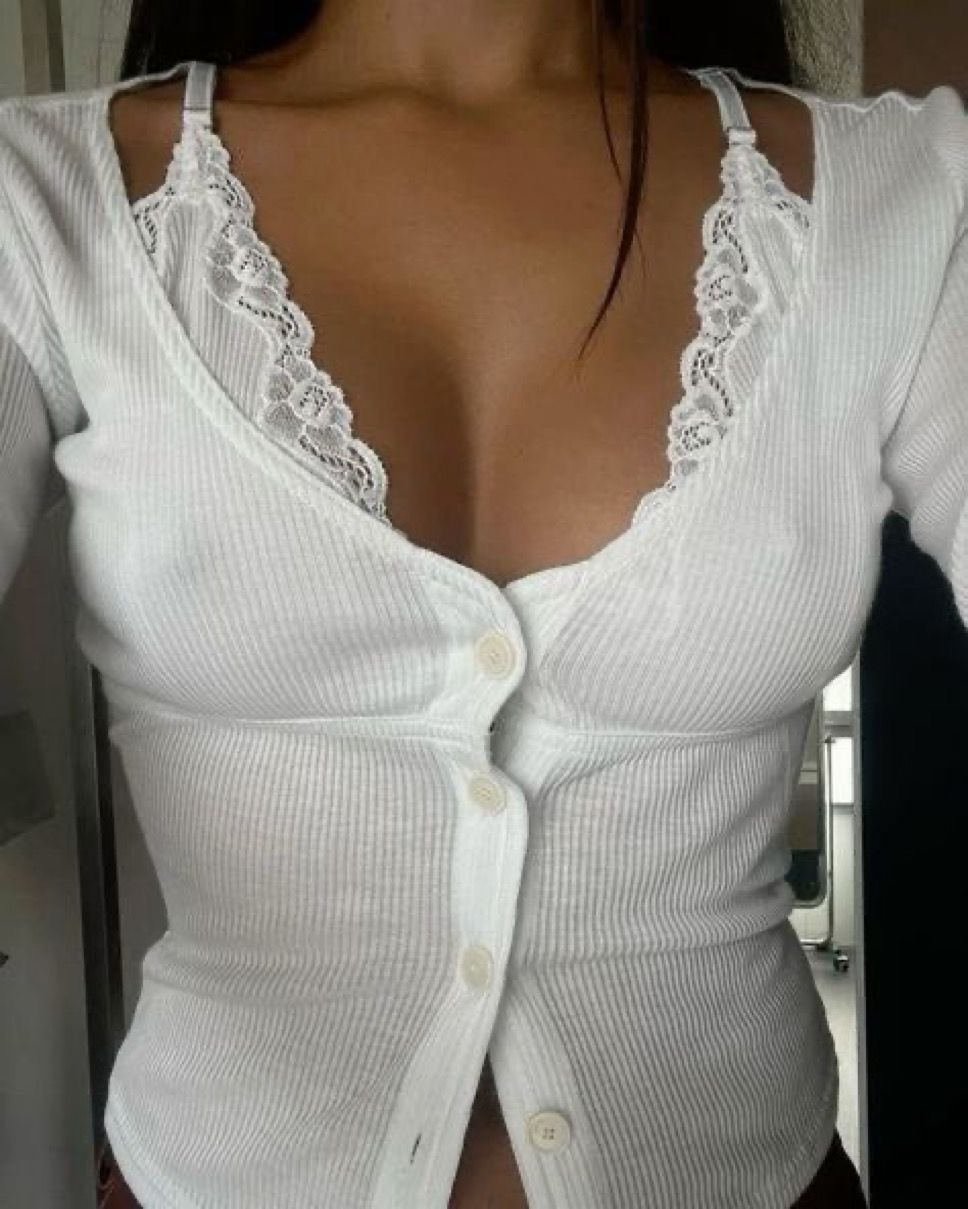

Fast fashion has become a prominent part of the fashion scene, offering affordable yet trendy clothing that is readily available to consumers worldwide. Although it seems like a win for our wallets, it comes with a hidden cost: exploitation of workers, environmental damage, and an abundance of waste.
With that in mind, it’s important to remember the best thing about fast fashion: You don’t have to buy it! There are plenty of alternatives to fast fashion that have clothes you can feel cute and comfortable in, without having to support these big brands.
This blog post will help guide you through those other ways, going over the affordable, accessible, and authentic options you can choose!
What is Fast Fashion?
To go over what fast fashion is, it is the mass production of cheap, trendy clothes that are supposed to mimic the essence of high-end clothing. These pieces, accessories, and even furniture are made by scarcely paid workers with low-quality materials to reduce excessive spending, leading to short lifespans of garments and lots of waste. The biggest perpetrators of this include brands such as SHEIN, Temu, ZARA, and H&M, but the sad truth is that almost all brands have participated in the vicious cycle of fast fashion, only to a lesser extent than others.

Learn more about the environmental damages and human cost deriving from fast fashion…
Thrifting!!
One of, if not the most sustainable, alternatives to fast fashion is thrifting! Although it’s often chalked up to rummaging through clothing racks (which can be considered a part of the thrifting experience), secondhand shopping is a gateway to finding unique pieces of clothing at an affordable price, all while actively reducing waste.
Where to Look?
- Local thrift stores and charity shops ($-$$)
- Vintage boutiques ($-$$$)
- Larger-known department stores such as Marshall’s, TJ Maxx, Ross, and Burlington (While not traditional thrift stores, they carry clothes that appeal to multiple styles, along with excess stock or unsold items, correctly reducing waste!) ($-$$$)
Most thrift stores take donations, meaning individuals in search of donating clothes can help out local shops and possibly expand other customers’ catalogues, with the additional benefit of not thoughtlessly discarding clothes. Reach out to local shops to see if they take any donations!
Online Shopping
The charm of fast fashion often relates to how accessible it is, being online. Consumers see a cute top on their devices, and all it takes is a few taps to get it. No need to allocate a part of your day to go shopping when you can find the ‘perfect’ basic tee on the H&M app. That being said, there are some amazing online alternatives to SHEIN, TEMU, and H&M.
Online Stores
- Pact: Selling garments that are composed of cotton, as well as reusing old clothes to create something new, Pact has been effectively and actively reducing textile waste.
- Kotn: Kotn, fast fashion adjacent through pricing, has proven that you can create quality clothes while maintaining safe working conditions. Sizes go from XS to 2X.
- Patagonia: If you’re shopping to replace a well-loved article of clothing, Patagonia can repair any piece with a small charge. They use renewable energy to power clothing production, and advocate for fair compensation and good labor standards for low-wage workers.
- Depop: Depop, Poshmark, and even Facebook Marketplace – these are all shopping platforms tailored for people who need cute clothes or items quickly, but at a reasonable price. Just like thrift stores, these platforms allow consumers to buy clothes, while also being able to dispose of their old ones safely, and you can make money from it as well!!
- Small businesses online: Instagram, TikTok, and Twitter (now known as X) are all homes to unique and creative designers, who often work alone or with a small team. Although some businesses can be on the pricey side, these stores can be amazing alternatives when it comes to style.
DIY / Upcycling
We as consumers actually have the resources to revamp our wardrobe, through upcycling! Upcycled and DIY clothes are fantastic ways to create something you will love with items already available to you and some creativity, and at little-to-no cost.
How to Get Started
The following videos are your building blocks as beginners who are learning to DIY and upcycle.
No Sew Ideas
Most of us don’t have access to sewing kits and all the stuff that comes with transforming clothes, but that doesn’t mean upcycling is out of the question for us. Here are my favorite no-sew DIYs!
Truly, some of the best tutorials out there.
The Gray Area
Avoiding fast fashion is an impossible mission, especially in today’s world. Whether limited by budget, accessibility, or simply time, the fast fashion industry can cater well to consumers, but at the cost of the Earth and the workers behind those garments. Even brands that claim to be green are subtly taking part in the vicious cycle.
The goal of this post is not to bring shame or guilt to those who shop at places like Zara, SHEIN, or H&M. Different restraints lead to different circumstances, and that is completely valid.
What this post is trying to do is to remind people to be mindful and make changes where we are able to. Even actions we deem as small can play a part in combating the epidemic that is fast fashion. Buying secondhand items instead of brand new clothes counts as much as learning to repair tattered shirts!
Final Thoughts
Fashion is something that we should all be able to enjoy, regardless of constraints that are in our way, and there are multiple avenues in which we can bring out the fun and expression fashion has to offer without supporting shops built on poor labor conditions and overproduction.
Whether you’re thrifting, upcycling, or just want to be more mindful with your purchases, the effort you make matters.
Top image is credited to Pinterest!
Leave a Reply